The NOMAD Deck
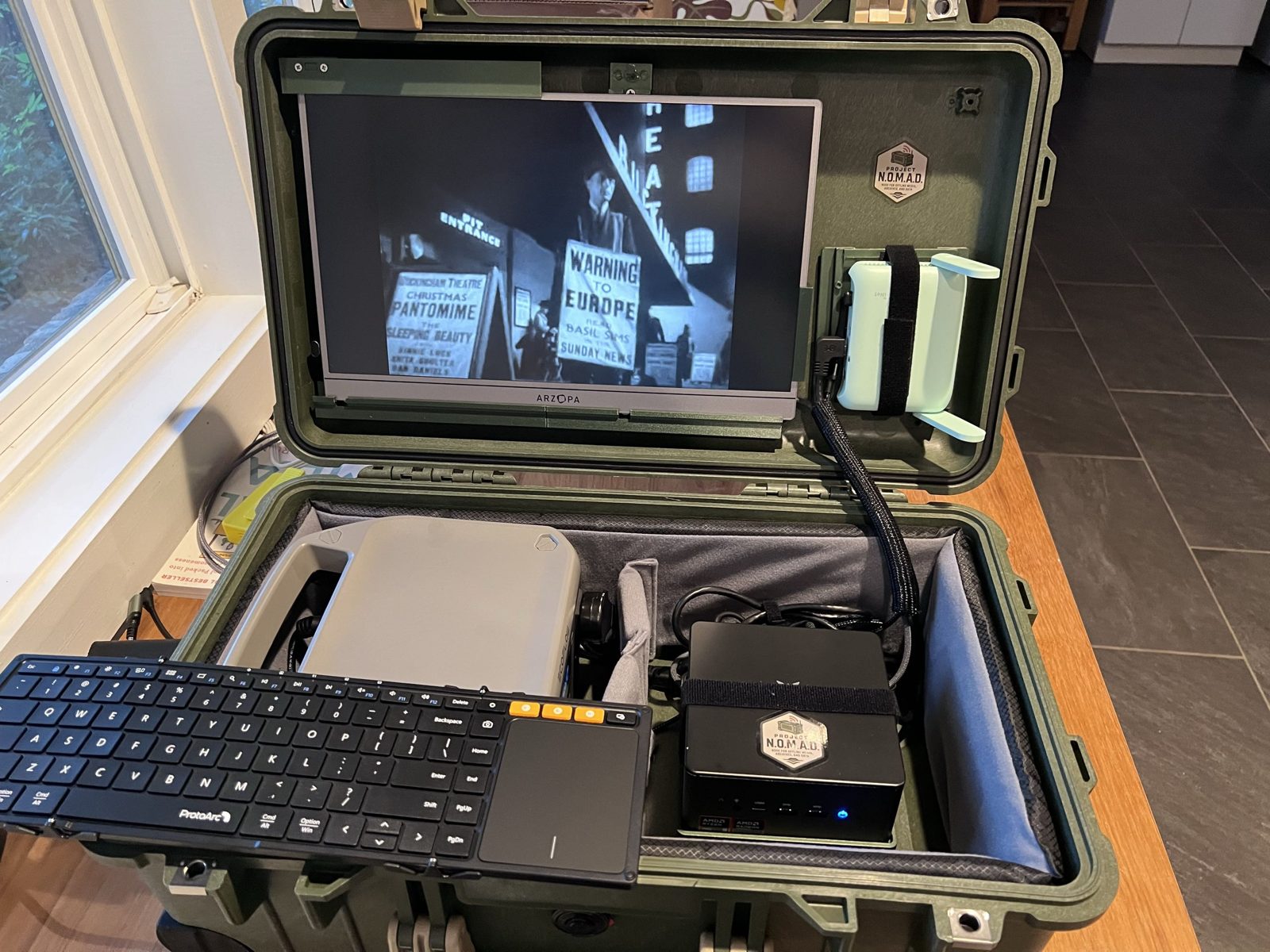
A self-contained Project NOMAD server with its own screen, keyboard, Wi-Fi, and battery, packed into a carry-on Pelican case. It carries a full copy of Wikipedia, street-level maps for the whole world, K through 12 courses, and an optional local AI, and none of it needs an internet connection or a wall outlet.
This is a documented personal build, not a product. Nothing on this page is sold by us.
The case
It all starts with the case
The foundation of this build is the Pelican 1510. It has just enough space for all of the components, and everything else had to fit around it: a server that fits between the walls, a screen thin enough for the lid, and a battery with enough juice to run it all for a working day. Six main components make up the build.
The case
Pelican 1510
Rugged, carry-on sized for airplanes, and it comes in this NOMAD-themed green and tan. Just enough room for everything else on this list.
The battery
EcoFlow RIVER 2
240 watt-hours with AC and USB output. The whole Deck runs from it, and it recharges from a wall, a car, or a solar panel.
The server
Minisforum UM890 Pro
The same mini PC as our benchmark reference build. Runs all of Project NOMAD, including the offline AI, from a 1 TB drive.
The screen
ARZOPA Z3FC 16.1"
A QHD portable monitor thin enough to live in the lid, with power and video over a single USB-C cable.
The Wi-Fi
GL.iNet Beryl 7
A travel router that broadcasts a local network, so phones and laptops can use the Deck without any cables.
The keyboard
ProtoArc XK01 TP
A folding full-size keyboard with a trackpad. Folds into its own case and slots in front of the server.
What's on it
More than you'd ever be able to learn, in a carry-on
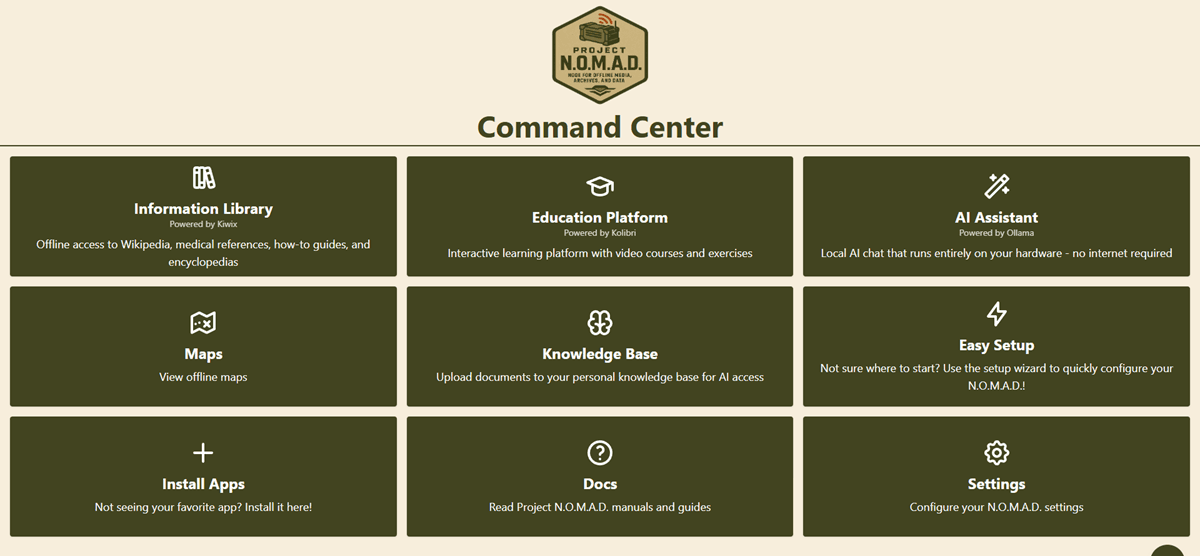
It starts with the software. Project NOMAD is a 100% free and open source offline knowledge stockpile: survival, medicine, agriculture, cooking, a complete copy of Wikipedia, global street-level maps, K through 12 courses from Khan Academy, and an optional LLM that runs local AI models across all of that content. Everything I have installed fits on this 1 terabyte drive with about 500 gigs to spare.
The Supply Depot extends NOMAD into projects like Meshtastic and MeshCore. That is exactly what we used at the Modern Rogue compound, asking questions over Meshtastic radios that NOMAD received and answered, with no internet and no cell service.
Tested on the bench
How long the battery actually lasts
I measured these by draining this exact RIVER 2 under each load and timing it. Runtimes are from a full charge.
| Load | Draw | Runtime |
|---|---|---|
| Idle, screen off | ~21 W | 9h 50m |
| Normal use | ~28 W | ~7 hours |
| Continuous AI | ~91 W | ~2 hours 15 min |
Serving content barely uses any power
Serving articles, maps, and videos to connected devices barely moved the needle in my testing. The screen adds about 7 watts and the AI about 63, so if you skip both, the library alone runs for close to 10 hours. You can also add a solar panel to extend any of these numbers.
One travel warning
You cannot fly with a battery this size, it has to be ground shipped. I learned that on the Modern Rogue trip, where I ended up buying a second one and leaving it in Texas.
The build
The full parts list
The whole build comes in around $2,400 as configured, and the server is more than half of that. You can spend a lot less there, but you cannot just drop in whatever PC you have lying around. It has to be a mini PC small enough to sit next to the battery in the case, and mine is about 5 by 5 by 2.6 inches. Prices were current when I wrote this page, so double-check before you buy.
The foundation
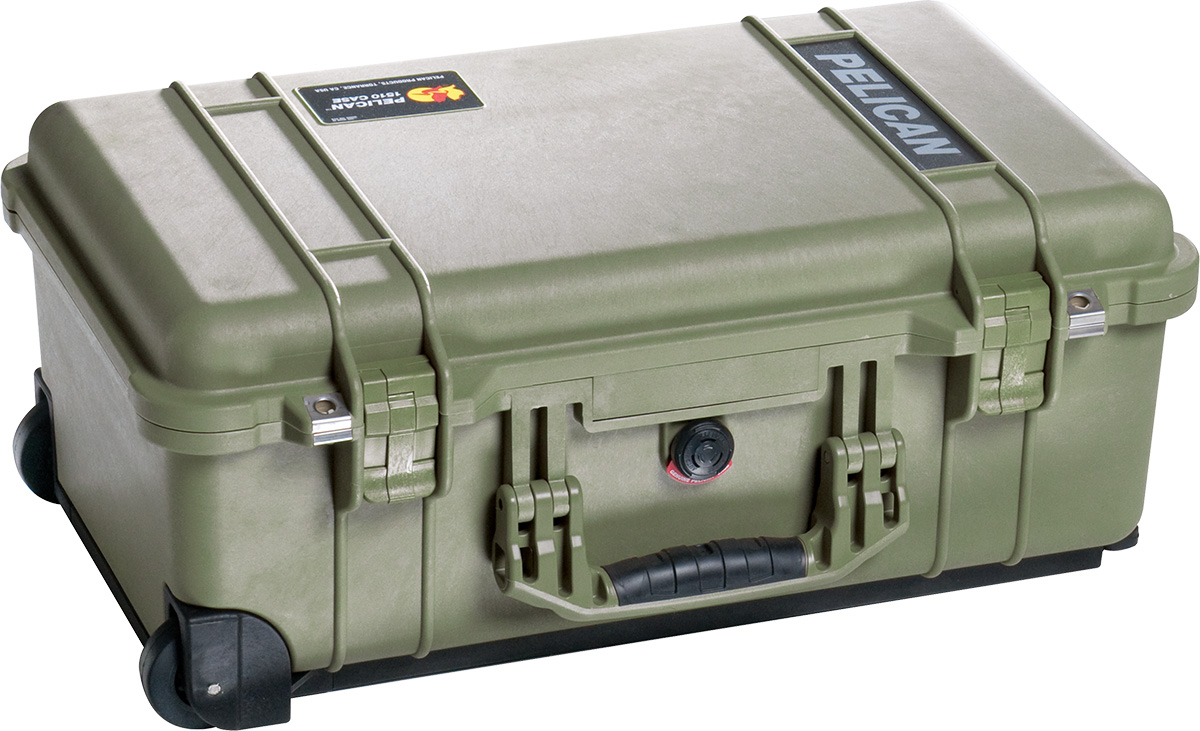
Pelican 1510 Protector Case
Carry-on sized for airplanes, and it comes in this NOMAD-themed green and tan. The bare case is $240 direct. I paid $355 for the padded divider configuration and ended up barely using the dividers, so lesson learned, I would probably skip it and find some other way to pad the sides.
Amazon sells a comparable padded-divider configuration for about $103 more. Buy this one direct.
$240 to $355
Buy from Pelican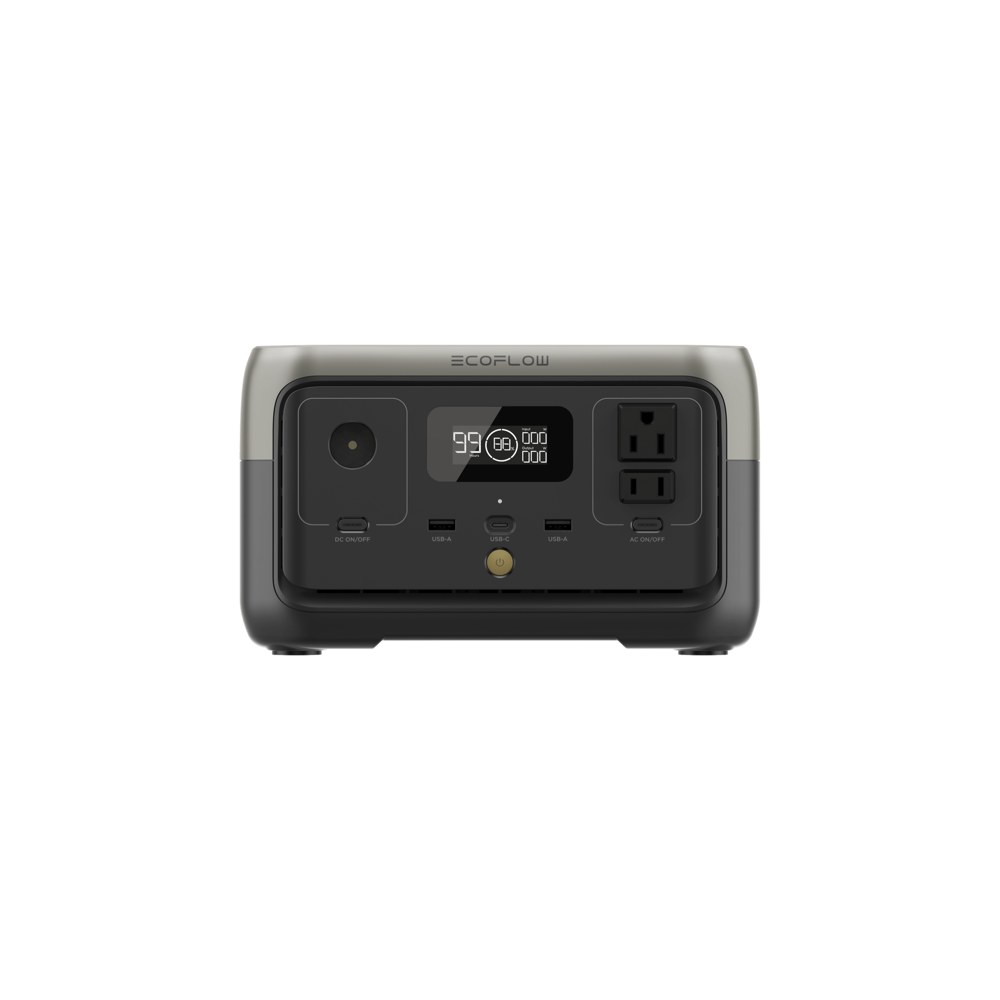
The power
EcoFlow RIVER 2 + 110W solar panel
300 W output and 240 Wh of capacity across two AC outlets, two USB-A, one USB-C, and a DC port. At 7.7 lb it is the heaviest thing in the case. The station alone is $209; I bought the bundle with the 110 W solar panel for $367 to keep it topped up off-grid.
$209 and up
Buy from EcoFlow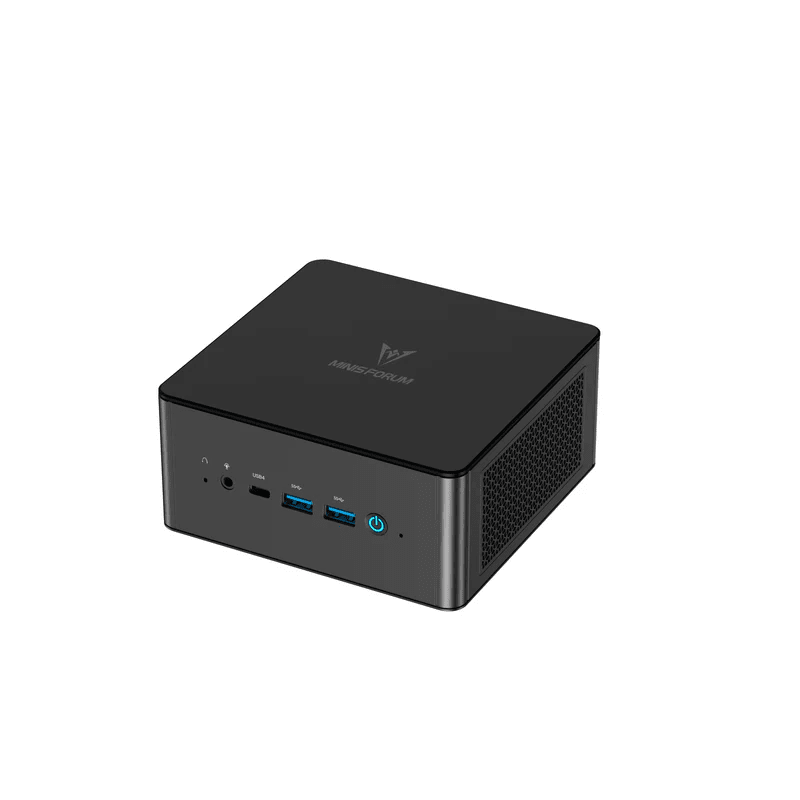
The server
Minisforum UM890 Pro (64 GB / 1 TB)
Ryzen 9 PRO 8945HS with Radeon 780M graphics, 64 gigs of RAM, and a 1 terabyte drive. This is the exact machine we use as the NOMAD Score reference build. It is not the most powerful PC in the world, but it is a really good balance of size and performance, and it will even run the local LLMs if you are OK with slower responses.
Full disclosure: Minisforum sent me this unit for free. Any mini PC that runs Project NOMAD and fits the case can do this job.
$1,319
Buy from Minisforum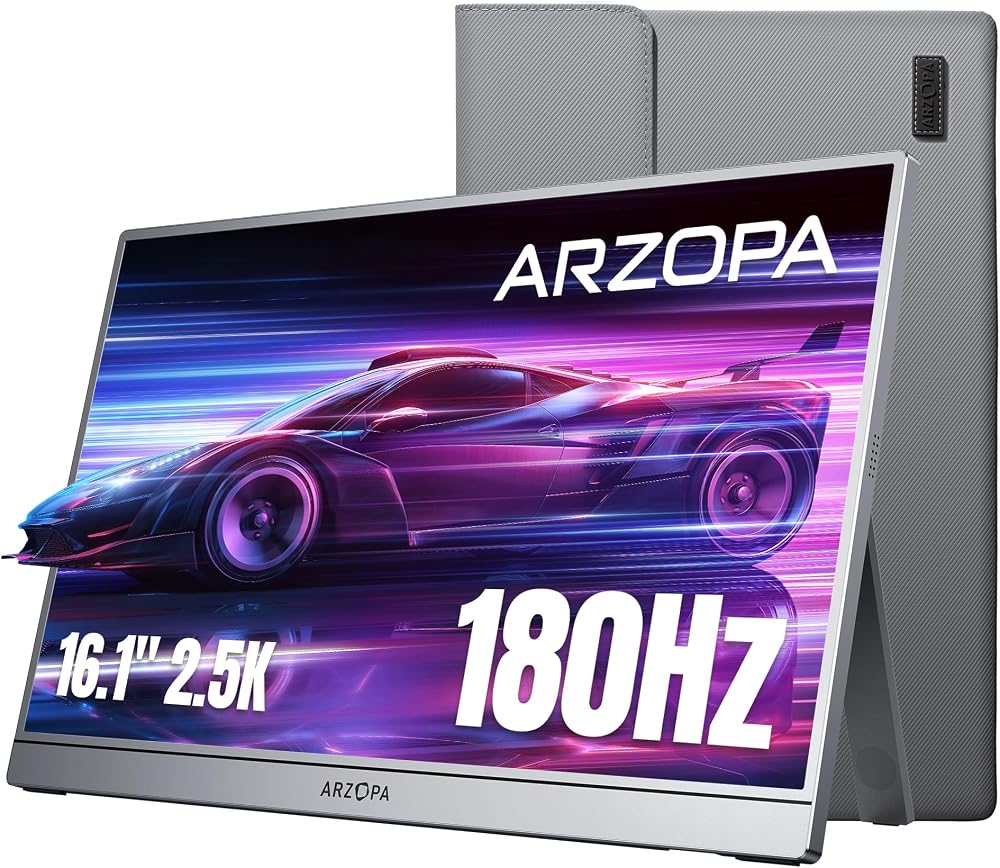
The screen
ARZOPA Z3FC 16.1" portable monitor
A 2560x1440 180 Hz panel in an aluminum shell just 0.4 inches thick. One USB-C cable carries both power and video, and the included right-angle cable tucks behind the panel so the lid closes clean.
$137.99
Buy on Amazon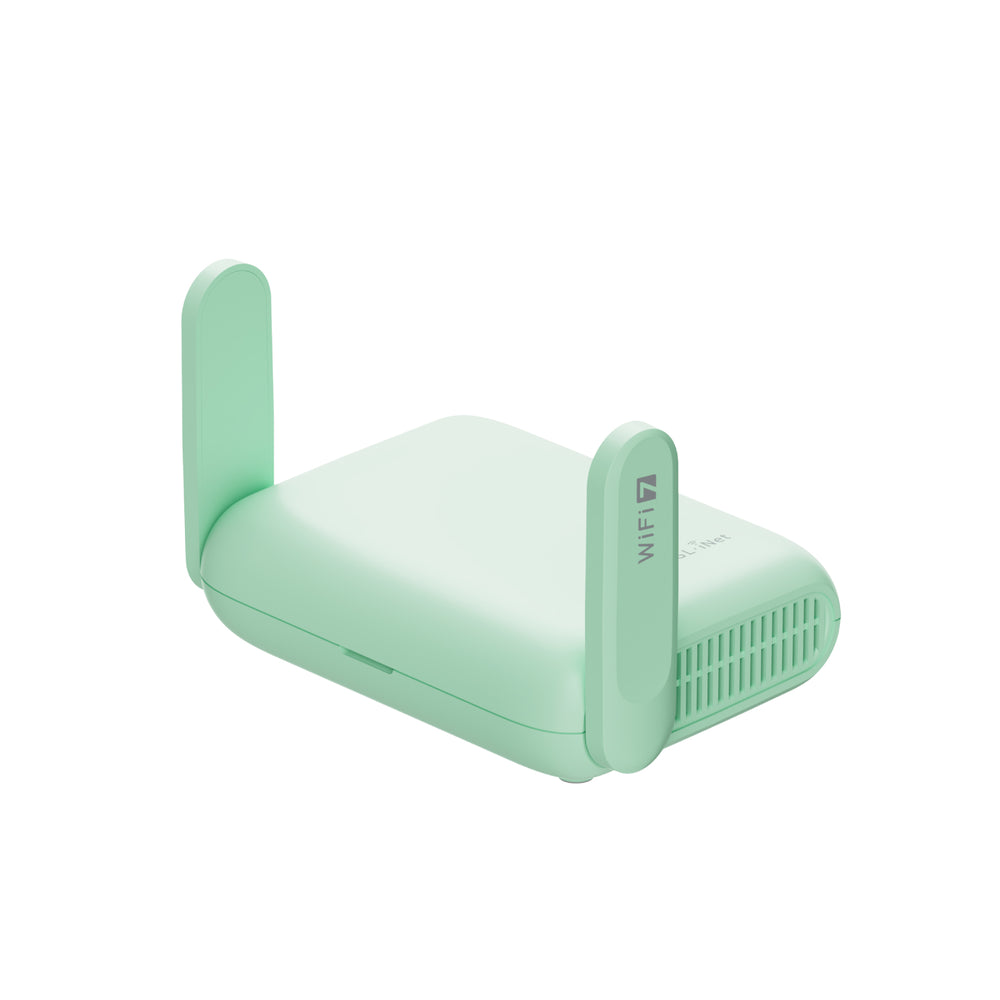
The network
GL.iNet Beryl 7 travel router
I love these little travel routers. It broadcasts Wi-Fi so you can connect with a phone or laptop instead of using the built-in monitor, and if you do have internet available, the WAN side is super flexible: Ethernet, Wi-Fi, or a USB 5G modem. It runs right off the battery over USB-C.
My only real complaint is the mint green color, which does not match the rest of the build.
$129.99
Buy from GL.iNet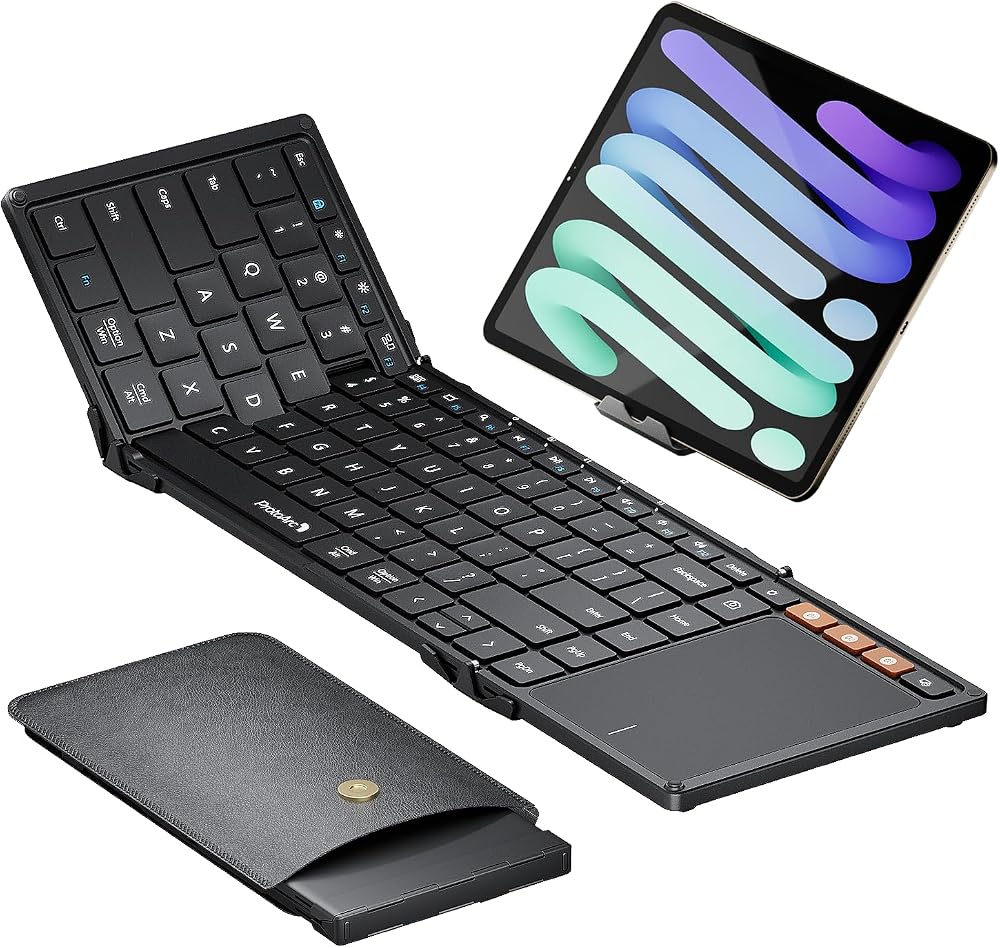
The input
ProtoArc XK01 TP folding keyboard
I have tried the little mini keyboards and they are just hard to type on. This one is close to full size with a built-in trackpad, so there is no separate mouse. Bluetooth with three device slots, USB-C rechargeable, and it folds into a slim case that slides right in front of the server.
$56.99
Buy on Amazon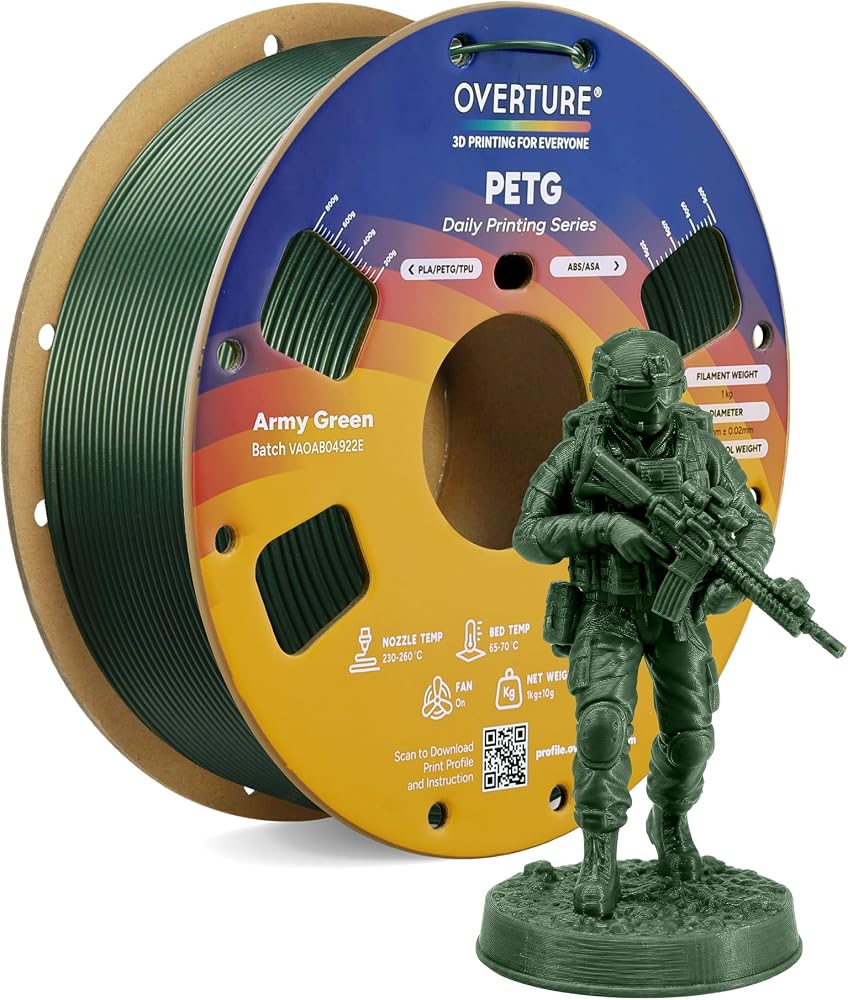
The printed parts
Overture PETG, Army Green (1 kg)
Every 3D printed piece in the Deck is this filament, and the army green is a near match for the OD green case. One spool covers the entire build with room for reprints.
$18.04
Buy on AmazonThe rest is industrial velcro, a handful of cables with 90 degree connectors, and a 1 foot power extension that swivels in any direction. Whatever is in your parts drawer probably works.
Some of the links on this page are affiliate links. As an Amazon Associate I earn from qualifying purchases. Using them costs you nothing extra, and any proceeds go directly toward funding further development on Project NOMAD. That said, shop around: buying the case and the battery direct is currently cheaper than Amazon, and I would much rather you save the money.
Free downloads
The 3D printed parts, all free
The build consists of 10 printed parts in total. Several of the version 1 designs broke on the trip to Texas, so what is posted now is version 2, with thicker supports and bigger pegs where things actually failed.
Server pedestal stand
A two-piece stand that velcros to the case floor and holds the UM890 Pro snug, with a cavity underneath to tuck the power brick and cabling into. Of all the printed parts, this one is my favorite.
Monitor lid mounts
Modular brackets that screw into the attachment risers in the lid. Four small screws hold the monitor, so you can remove it entirely.
Router riser
Lifts the Beryl 7 so the vents on the bottom stay exposed, keeps it below the rim of the lid, and gives you a spot to velcro the folded antennas for transport.
Battery keeper
A low bracket with a lip that slips under the front of the RIVER 2 so the battery does not slide around.
Print them in PETG. One spool of the army green Overture covers the whole set.
Built your own? I want to see it
If you put a NOMAD Deck together, or built something better in a different case, it can end up on the community builds page. I know these designs can be improved, especially the monitor mounts, so if you have a better solution for anything in this case, the Crosstalk Discord is the place for that conversation.
See community buildsStart yours
The Deck is just Project NOMAD in a case
Everything that makes it useful is the free software, and that runs on hardware you probably already own. Get NOMAD running on a desk first, then decide if you want to build it into a case.